BUSEM Students Claim 1st Place World Championship in Sustainable Innovation Business — Babson Collaborative Global Student Challenge 2026
a global competition drawing over 1,280 teams from 33 universities across 24 countries.
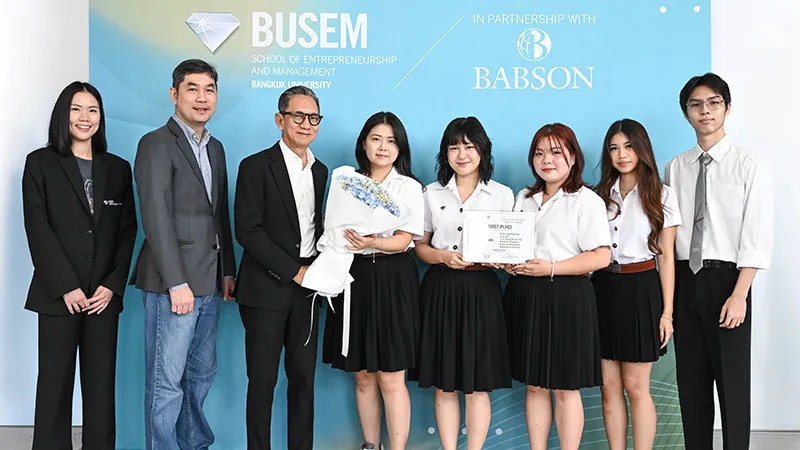
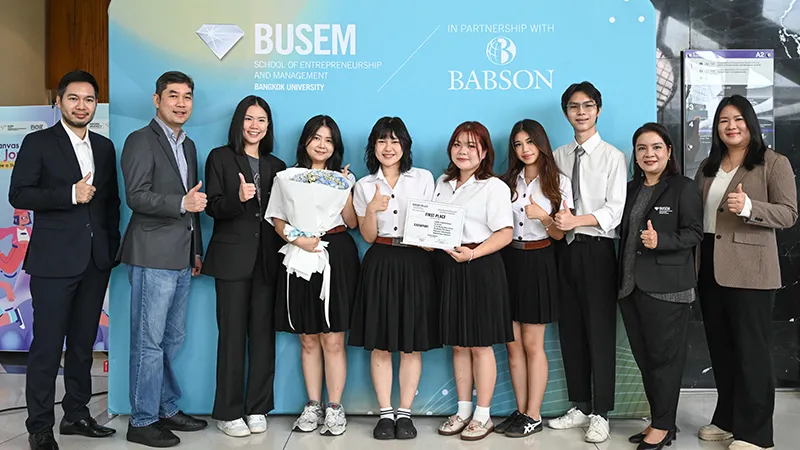
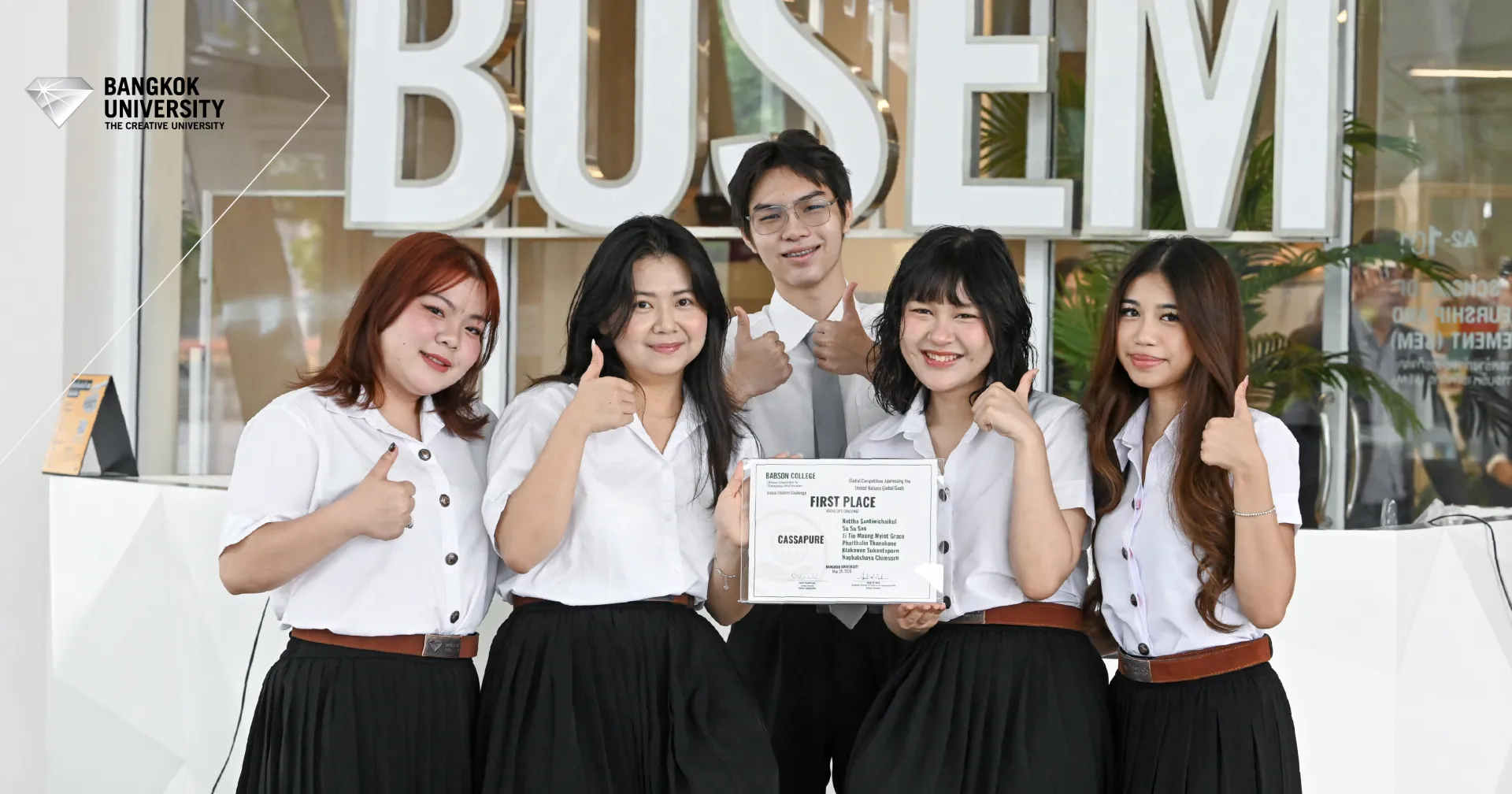
In a moment of great pride for Thai education, Team Cassapure from the School of Entrepreneurship and Business (BUSEM) claimed 1st place worldwide in sustainable innovation business at the Babson Collaborative Global Student Challenge 2026 — a global competition drawing over 1,280 teams from 33 universities across 24 countries.
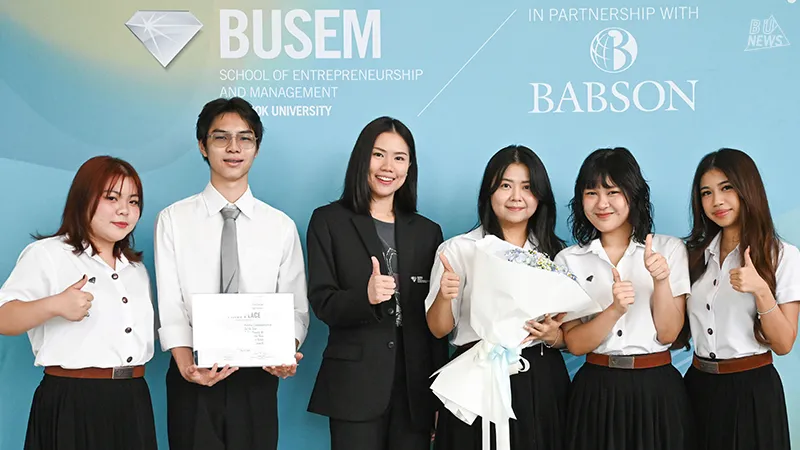
Team Cassapure members: Ms. Naphatchaya Chimsorn (Entrepreneurship programme), Ms. Ei Tin Maung Myint (International Entrepreneurship), Ms. Natta Santiwichaiku l (International Entrepreneurship), Ms. Phatthalin Thanakone (International Entrepreneurship), Ms. Su Su San (International Entrepreneurship), and Mr. Klakawee Sukuntaporn (International Entrepreneurship), with Dr.Muanfhun Ratanavanich, Chairperson, Department of Entrepreneurship (International Program) at Bangkok University, serving as faculty advisor.
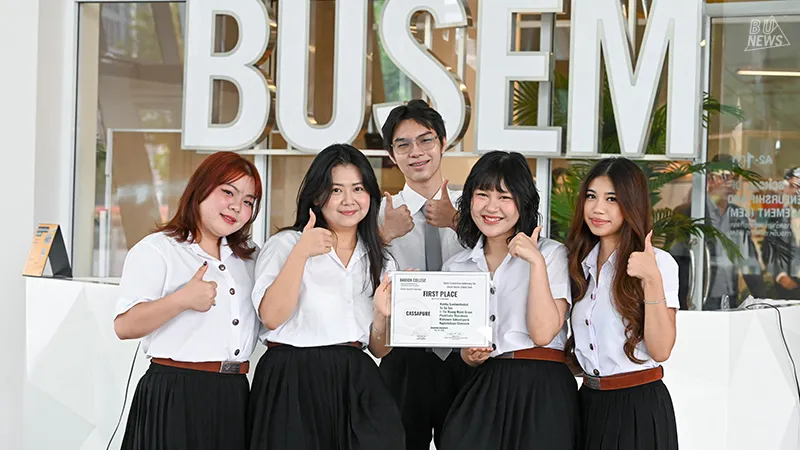
Assembling Team Cassapure
“We came together ourselves to enter the Babson competition. Before that, we had taken classes together in subjects we were all passionate about and submitted our work to an in-class competition. After winning the internal selection, we went on to represent Bangkok University on the world stage.”
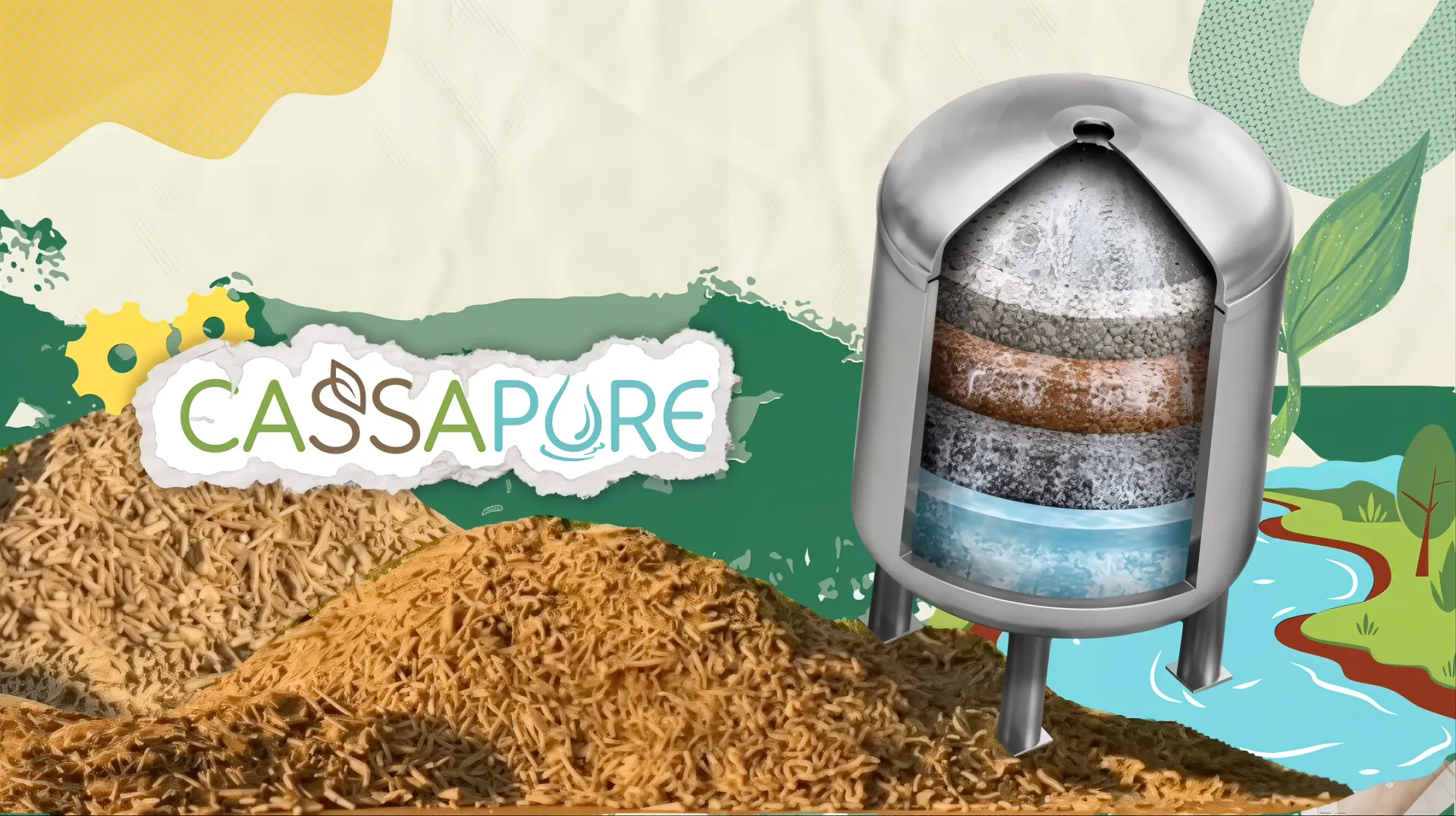
Tackling an SDG Challenge — An Idea for Sustainability
“We applied the concept of sustainable development (SDGs) by transforming agricultural waste — specifically cassava peel — into biochar for wastewater treatment, rather than letting it become waste or environmental pollution. This aligns with multiple SDGs: SDG 6 (Clean Water and Sanitation), SDG 9 (Industry, Innovation and Infrastructure), SDG 12 (Responsible Consumption and Production), and SDG 13 (Climate Action). The project aims to reduce waste volume, add value to discarded materials, and help develop more accessible wastewater treatment systems for businesses and communities.”
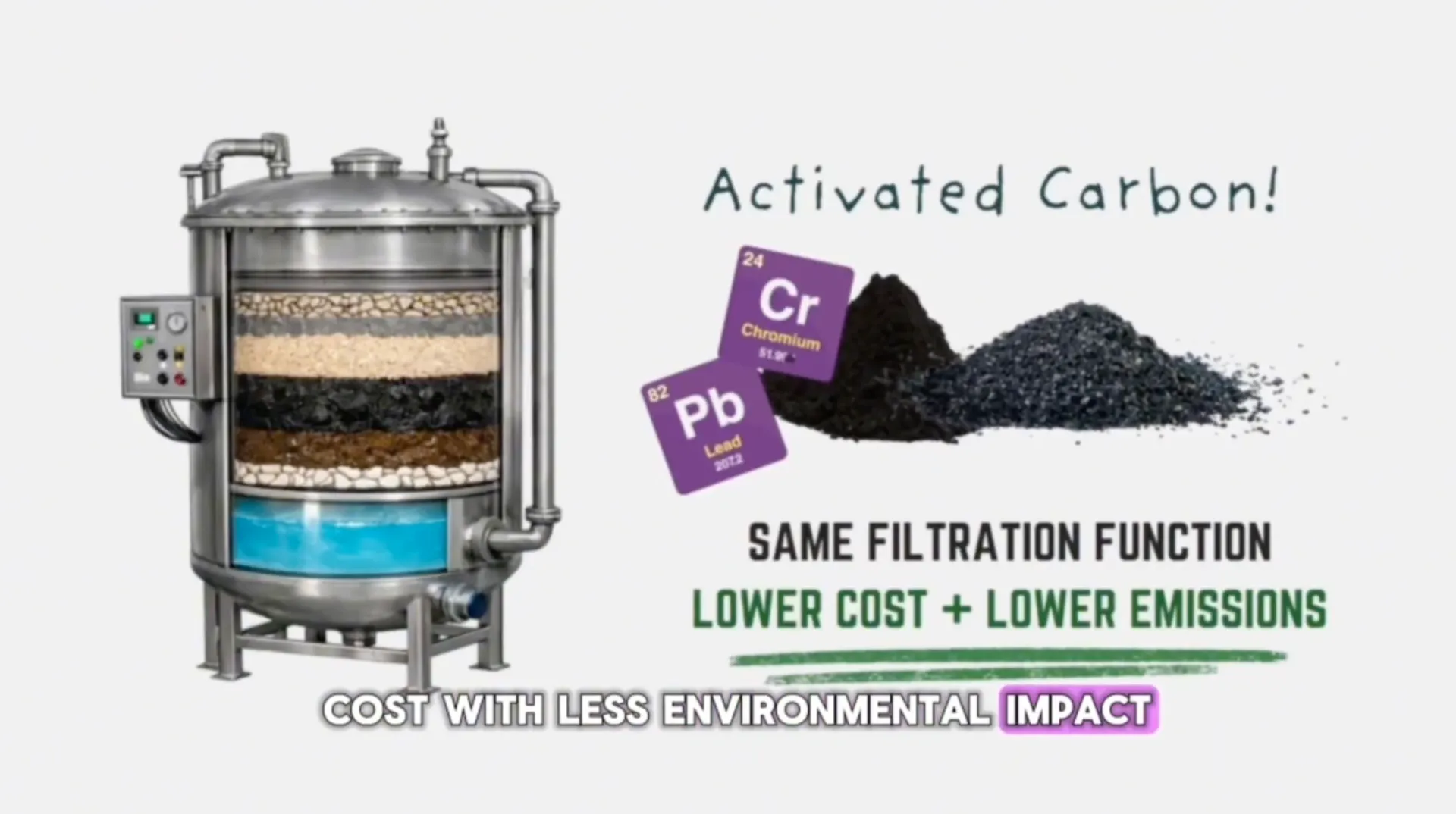
A Nearby Problem Too Important to Ignore
“We chose cassava peel because the problem started at a factory belonging to one of our team member’s family. When we researched further, we found that cassava peel is one of the most abundant agricultural by-products in Thailand, and wastewater pollution remains a major issue in many areas. This sparked the idea of converting cassava peel into biochar — adding value to waste and reducing disposal burdens. Biochar’s porous structure efficiently absorbs contaminants from wastewater. Compared to conventional methods or commercial absorbents, cassava peel biochar has lower raw material costs, is environmentally friendly, and reduces reliance on chemical treatments. For SME operators, our project offers a cost-effective, eco-friendly wastewater treatment alternative, reduces waste management costs, supports sustainable business operations, adds value to agricultural residue, and promotes a circular economy within communities.”
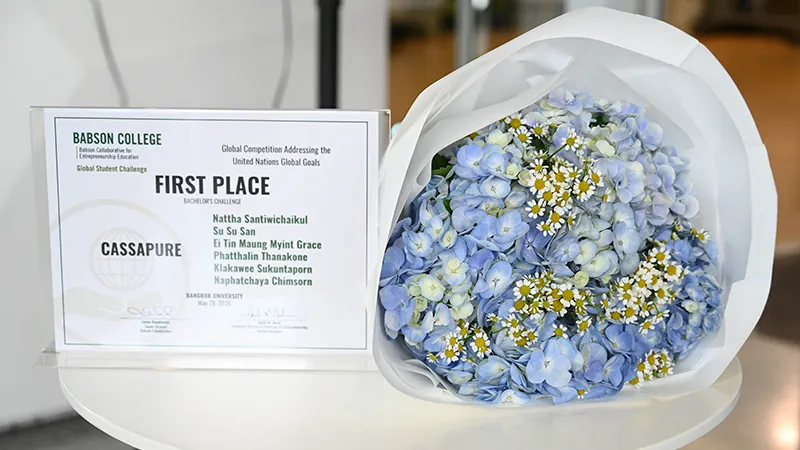
This achievement reflects the global potential of Bangkok University students and the quality of BUSEM’s Entrepreneurship curriculum, which emphasizes learning by doing — with students developing real business projects from their first year, working alongside industry, and tackling real-world business challenges. The BUSEM curriculum integrates business knowledge, innovation, creativity, and entrepreneurship to build critical thinking, problem-solving, and innovation skills capable of competing internationally — and demonstrates the capacity of Thailand’s new generation to turn environmental problems into business opportunities while creating lasting positive social impact.