
A University Is a Community of Experts: Bangkok University Unites Diverse Disciplines Through Creativity to Build Knowledge for a Sustainable Community Future
toward discovering, interpreting, and building upon local capital to create new value across community, economic, social, and environmental dimensions.
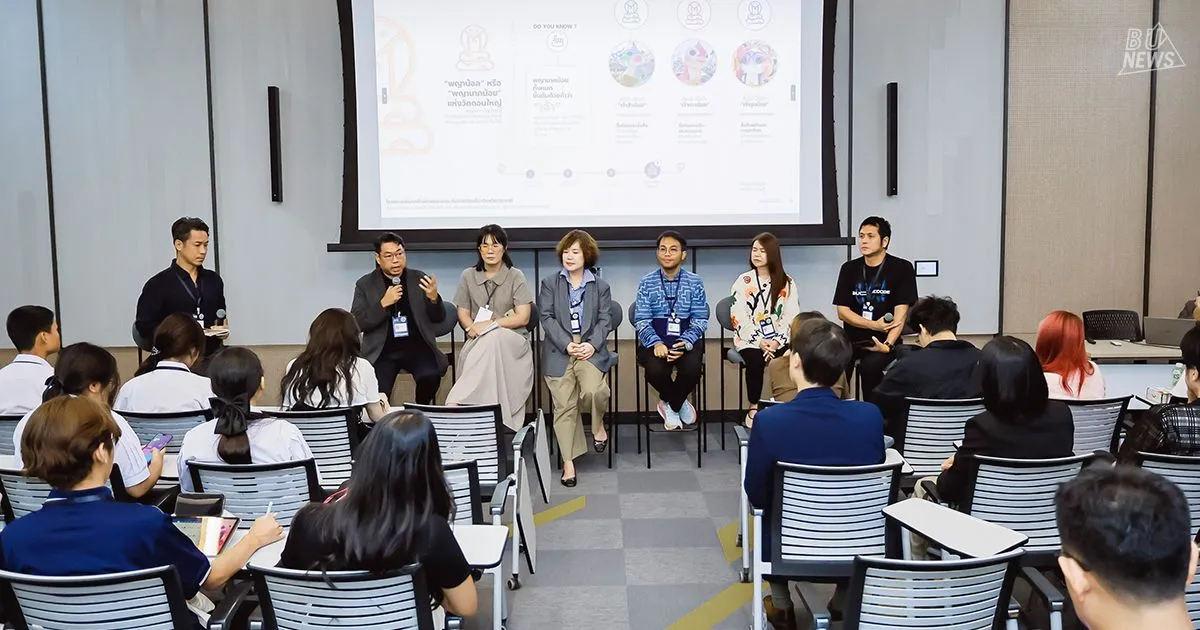
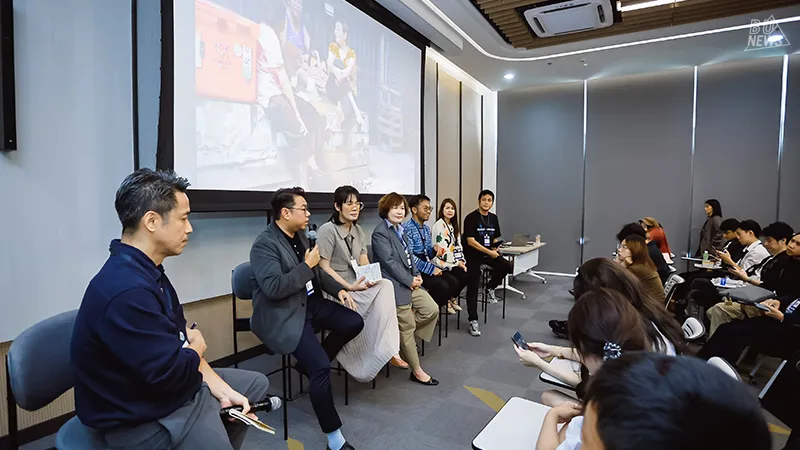
When a community holds wisdom, stories, food, craftsmanship, architecture, and knowledgeable people, the key question becomes: how do we preserve, build upon, and pass on these values to the next generation? Bangkok University co-hosted the panel discussion “Creative Sustainability in Action: Turning Local Wisdom into Meaningful and Sustainable Futures” at the GCNT Expo 2026: From Shock to Shift — From Global Crisis to Sustainably Growing Business event.
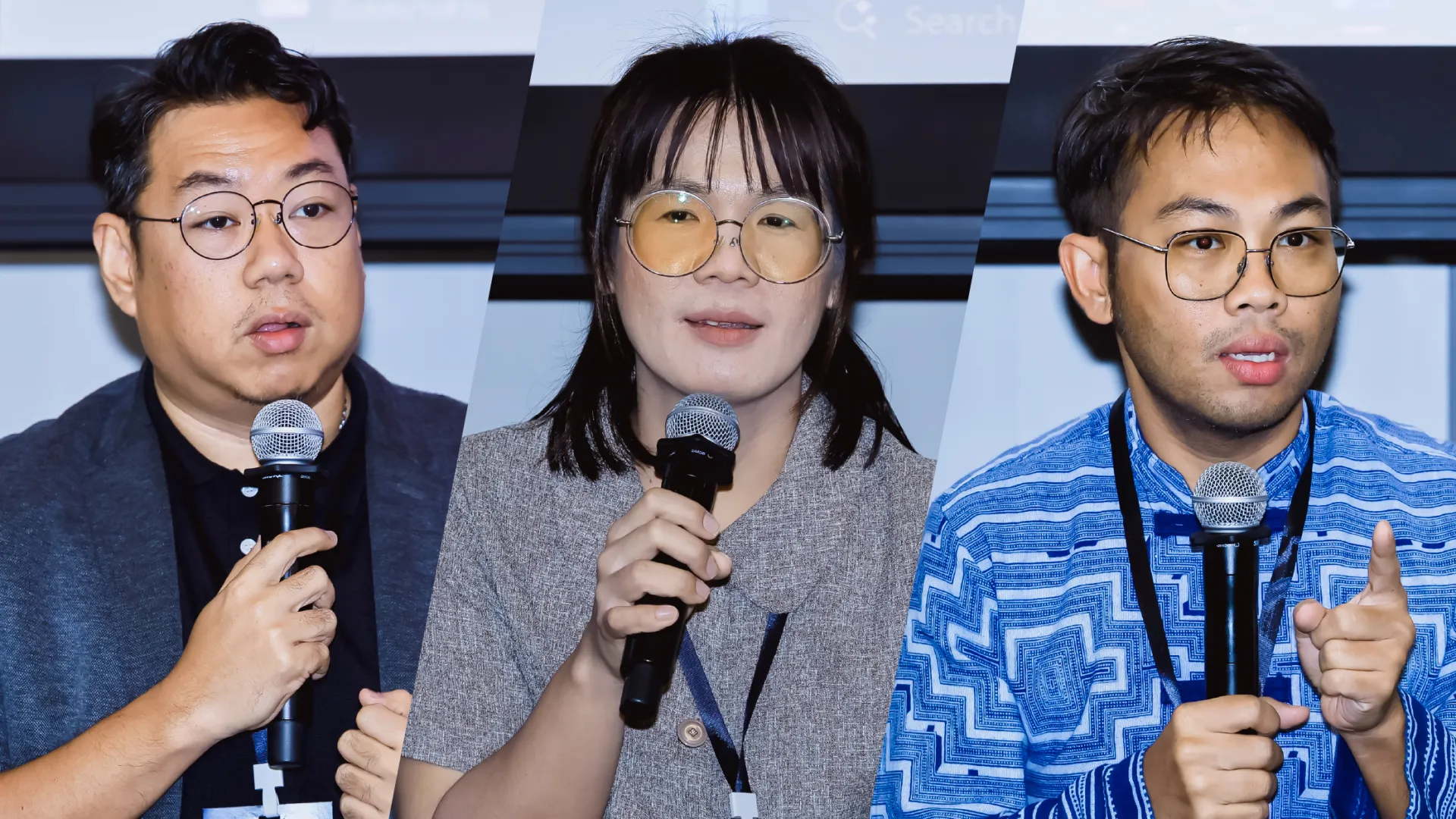
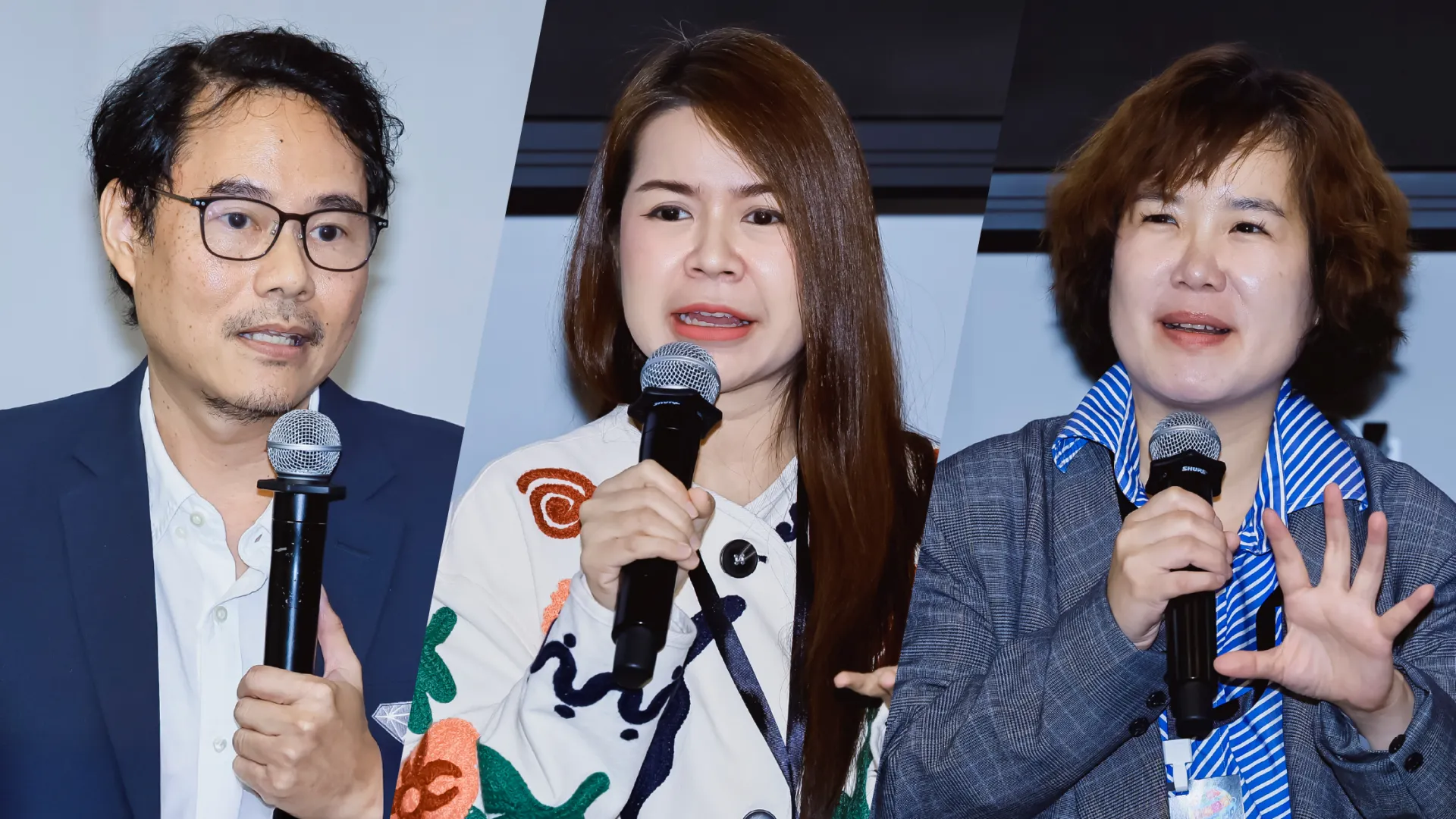
The panel brought together Bangkok University executives and faculty from diverse disciplines to unpack lessons learned from working directly with communities, using Pathum Thani as a Living Lab to explore how local wisdom can be transformed into lasting value. Panelists included: Dr.Peerachai Kerdsint, Assistant to the President for Academic Affairs and act for Dean, School of Digital Media and Cinematic Arts; Ajarn Suksan Chunarrom, Built Environment Innovation Research Center; Ajarn Suttapa Jaisan, School of Architecture; Asst. Prof.Dr.Karnjana Songwathana, Dean, School of Economics and Investment; Assoc. Prof.Sukritta Hiranyachawalit, Chairperson, Creative Content Production and Digital Experience, School of Communication Arts; and Ajarn Suthee Sertsri, School of Humanities and Tourism Management. The discussion was moderated by Asst. Prof.Aachavit Krishnasuvarna, Associate Dean, School of Communication Arts, and Asst. Prof.Dr.Rittirong Chutapruttikorn, school member at the Built Environment Innovation Research Center.
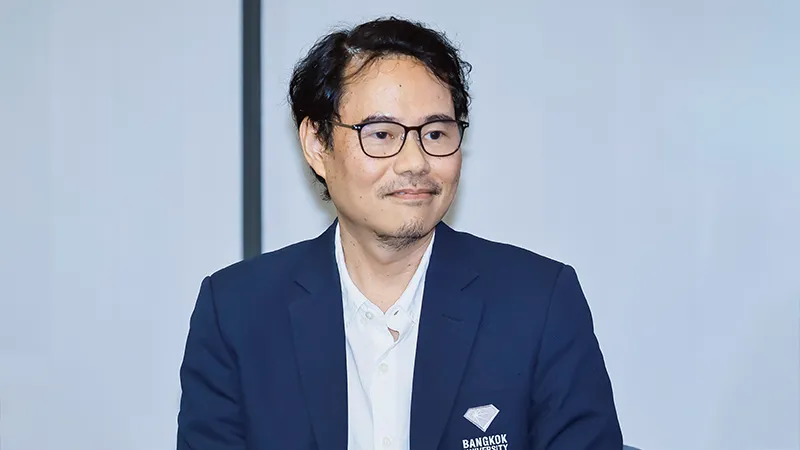
Dr. Peerachai Kerdsin, Assistant to the President for Academic Affairs and Acting Dean of the Faculty of Digital Media and Cinematic Arts, shared his view that “a university is a community of experts,” bringing together knowledge from many disciplines. What matters most is identifying the pain points of an area, then connecting the right expertise to help — whether by adding knowledge, strengthening capacity, connecting people and resources, or helping the community move forward with what it already has. For Dr. Peerachai, creativity is the ability to solve problems and adapt — a fundamental trait that has allowed humans to survive through change. Creativity, therefore, lies in how we adapt and find solutions when faced with a challenge. If the old method no longer works, and disruption occurs, we must look for new methods, new channels, or new forms of collaboration. Creativity is thus a vital force that helps people, communities, and places continue moving forward.
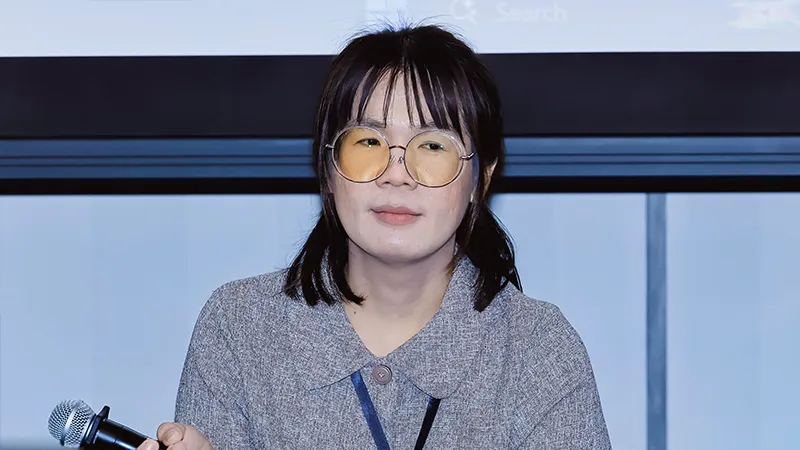
Building on this broader view of the university’s role, the discussion moved to exploring what communities already possess. Ajarn Sudtapa Jaisaen, from the Department of Interior Architecture, School of Architecture, invited participants to consider both visible assets — such as houses, temples, buildings, and landscapes — and invisible assets — such as memories, stories, beliefs, and relationships between people — summarizing that “visible assets let us see, while invisible assets let us understand the meaning of a place.” These values can then be developed into regenerative tourism and experience — learning experiences drawn from real places.
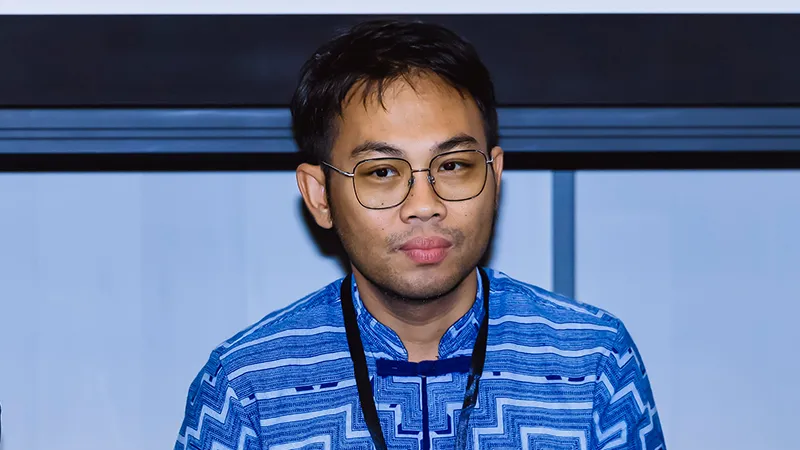
On the topic of food, Ajarn Suthee Sertsri, from the Faculty of Humanities and Tourism Management, encouraged looking back at roots and identity before designing something new, since a single dish can hold ingredients, cooking methods, seasonality, memory, and ways of life all at once. Introducing food design or food styling should therefore begin with what the community already has, involving local stakeholders from the very start.
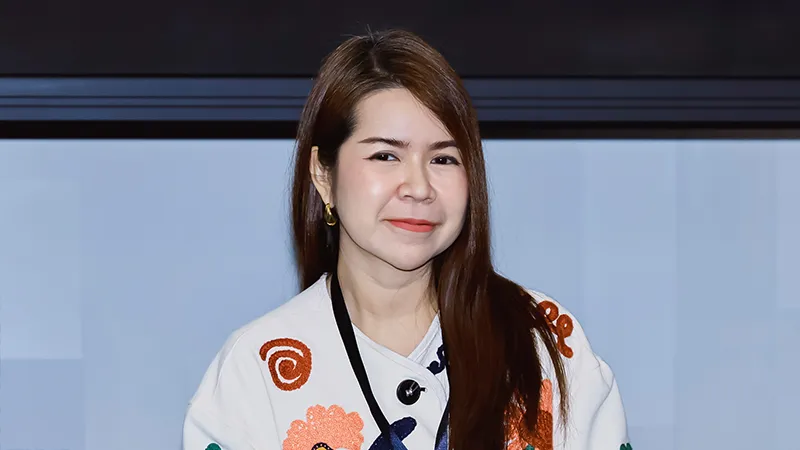
Assoc. Prof. Sukrita Hiranyachavalit, Head of the Department of Creative Content Production and Digital Experience, Faculty of Communication Arts, emphasized the importance of listening to what the storyteller wants to say, then choosing the appropriate media or technology. The university’s role, in this sense, is as a co-creator and supporter — from storytelling to immersive experiences that use image, sound, scent, and taste to bring younger generations into direct contact with a community’s stories.
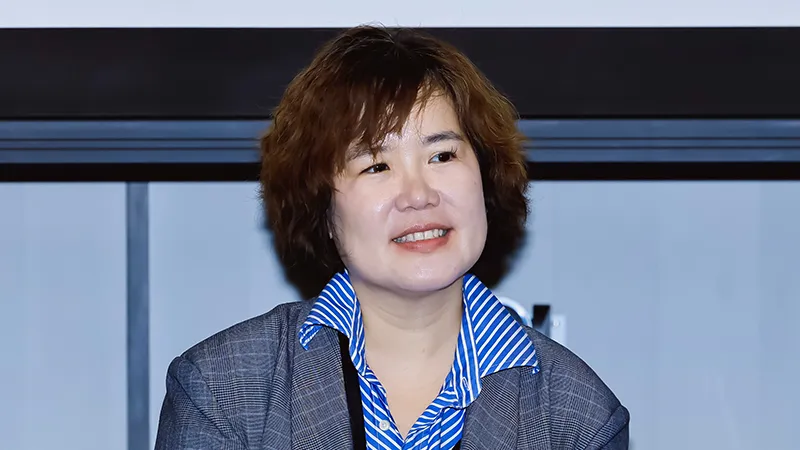
From an economic perspective, Asst. Prof. Dr. Kanjana Songwattana, Dean of the Faculty of Economics and Investment, encouraged looking deeper than sales figures — examining how benefits circulate back to local people, whether employment is created, whether younger generations have the opportunity to stay in the community, and whether people without their own shops or businesses also benefit. Cross-disciplinary work should therefore begin by establishing a shared purpose and objectives, before drawing in the specific expertise needed to address the area’s real challenges.
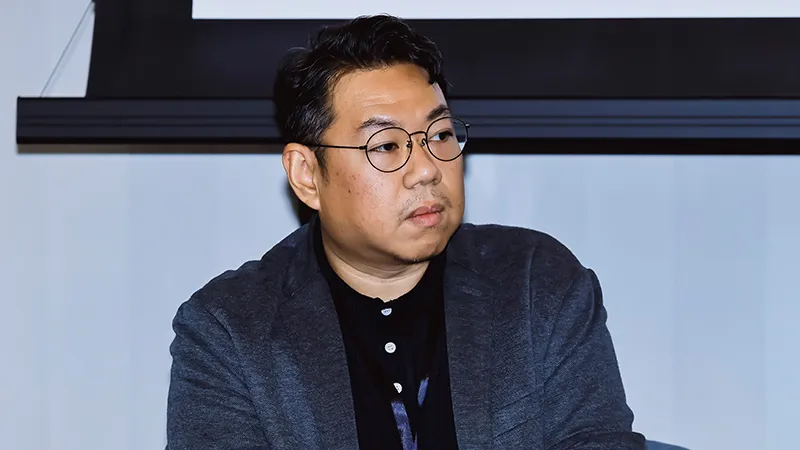
On the topic of urban change, Ajarn Suksan Chuenaromm, from the Built Environment Innovation Research Center, spoke about Pathum Thani within the context of urban transformation — a city where existing communities, agricultural land, industrial zones, businesses, educational institutions, and new populations all coexist. Growth, therefore, requires balancing economy, quality of life, culture, and the ability of local people to adapt. He proposed that the city function as a platform where communities, government, the private sector, and educational institutions collaboratively design the future together.
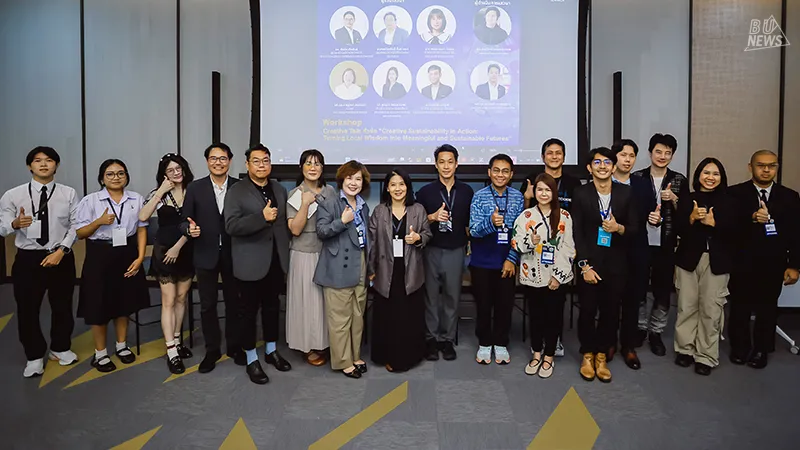
Creative Sustainability Playbook: 5Rs — ROOT, READ, REFRAME, REIMAGINE, and REGENERATE. The process begins with understanding the roots and existing values, followed by gaining a deeper understanding of people, places, and their contexts. These insights are then combined with Creativity, Knowledge, and Technology to unlock new possibilities and transform existing values into new forms of value that benefit communities, future generations, and local economies.
At the heart of sustainability is the ability to pass existing values on to future generations in ways that remain meaningful and inspire them to take pride in contributing to their continued development—creating new value that strengthens communities and drives tangible growth in local economies.
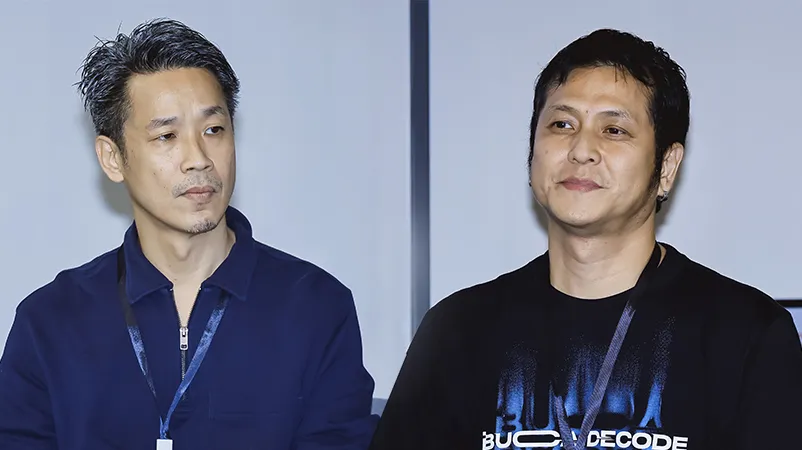
The discussion was moderated throughout by Asst. Prof. Dr. Rittirong Chutaphruttikorn, faculty member at the Built Environment Innovation Research Center, and Asst. Prof. Archawit Krisanasuwan, Deputy Dean of the Faculty of Communication Arts, who connected questions and experiences across the different disciplines throughout the session. From local wisdom to creative sustainability, the university’s role lies in connecting people, place, knowledge, creativity, technology, and value to work together — starting by listening, understanding the pain points of a place, and creating a process that keeps value in the hands of the community itself, allowing it to grow sustainably alongside the next generation.