
Co-Creating Sustainable Futures: Bangkok University’s Practical Academic Service Model for Community Revitalization

Introduction
Academic Service: Definition and Institutional Mission
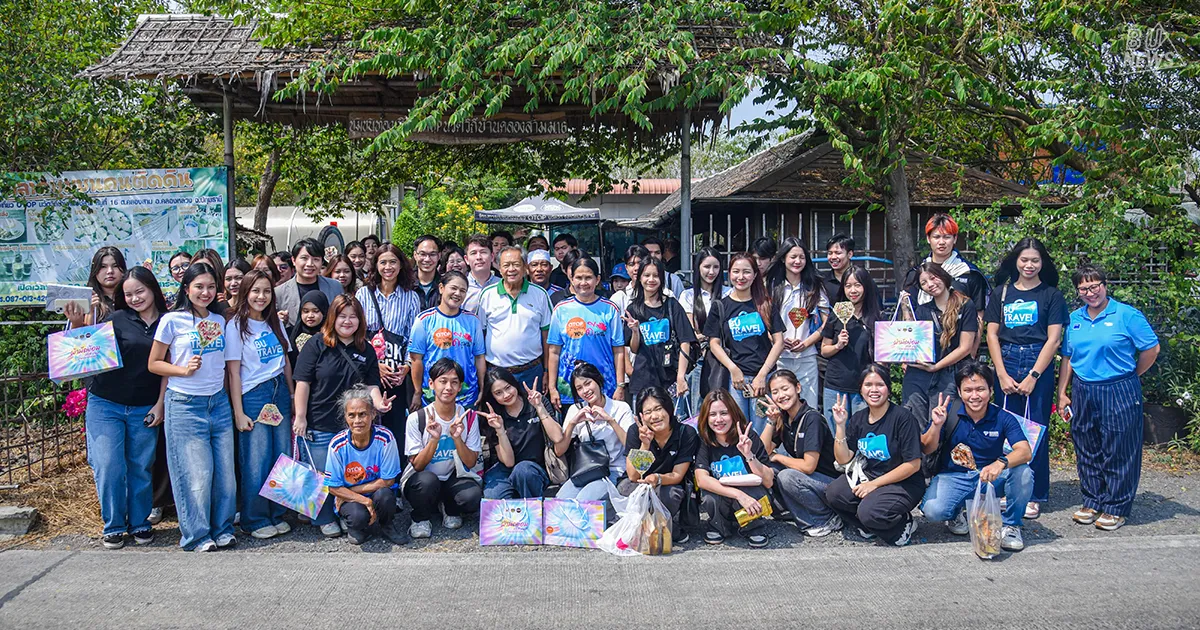
Academic service constitutes one of the core missions of higher education institutions, alongside graduate production, research, cultural preservation, and the advancement of community sustainability. The essence of this mission lies in mobilizing the knowledge and expertise accumulated within the university to address real-world challenges beyond the campus boundaries. In practice, academic service is often narrowly perceived as a one-way transfer of knowledge from the university to the community. However, at Bangkok University, this mission is approached with a distinct perspective and orientation. The institution affirms that knowledge of practical value emerges through collaboration between academic experts and those most familiar with their own local contexts. Accordingly, the university’s role is not merely that of a provider of knowledge, but rather that of a co-creator. This entails listening to the needs articulated by the community, assembling interdisciplinary teams, and jointly designing solutions with local stakeholders. Such collaboration fosters development pathways that can be sustained and expanded over time. The ultimate objective is that, upon the completion of each project, communities will be empowered to continue the initiatives independently, drawing upon their own capacities and resources. This approach ensures that academic service contributes not only to immediate problem-solving but also to long-term resilience and sustainability.
Academic Service and Institutional Direction toward a Practical University
Bangkok University has consistently undertaken academic service initiatives over an extended period, aligning these efforts with the institution’s strategic orientation toward becoming a “Practical University”. This concept emphasizes experiential learning as the core principle, whereby knowledge acquisition is grounded in real-world practice. Within this framework, academic service transcends the notion of community-oriented activities; instead, local communities serve as authentic classrooms that provide real challenges that cannot be replicated within the confines of a conventional university setting. Senior administrators of the university recognize the profound transformations and pressing challenges in the global environmental, economic, and social spheres, all of which exert significant influence on the institution and its stakeholders. In response, the university has articulated a comprehensive policy to advance sustainable development. This policy is systematically integrated across all dimensions of the institutional mission, ensuring that sustainability is embedded in teaching, research, academic service, and organizational management. The overarching aim is to generate positive societal and environmental impacts while contributing to the achievement of the United Nations Sustainable Development Goals (SDGs).
University Commitment to Society
The contribution that Bangkok University intends to deliver to society is not limited to short-term assistance or temporary support. Rather, the university emphasizes the empowerment of communities to develop sustainable capacities on their own. Accordingly, the institution deliberately engages with areas that demonstrate genuine developmental needs, working continuously over multiple years and transferring essential skills to local stakeholders until they are able to independently sustain operations. These efforts encompass knowledge sharing in diverse domains such as community product development, cost management, brand creation, tourism route design, visitor hospitality, and the application of technology in production processes. At the same time, these initiatives generate reciprocal benefits for the university’s students. Those who participate in the projects engage directly with authentic challenges that affect real stakeholders, thereby learning how theoretical knowledge must be adapted and applied to specific local contexts. Students also gain tangible experiences and outputs that can be documented in their professional portfolios prior to graduation. Such experiences foster outcomes that extend beyond professional skills. They cultivate an SDG Mindset-a way of thinking that enables graduates to perceive the interconnections between their work and its impact on people and the environment. To ensure that this mindset is instilled in all students, not only those directly involved in community projects, but the university has also mandated the integration of the United Nations Sustainable Development Goals into the content of all general education courses, beginning in the second semester of Academic Year 2024.
Selected Sustainable Development Goals for Institutional Advancement
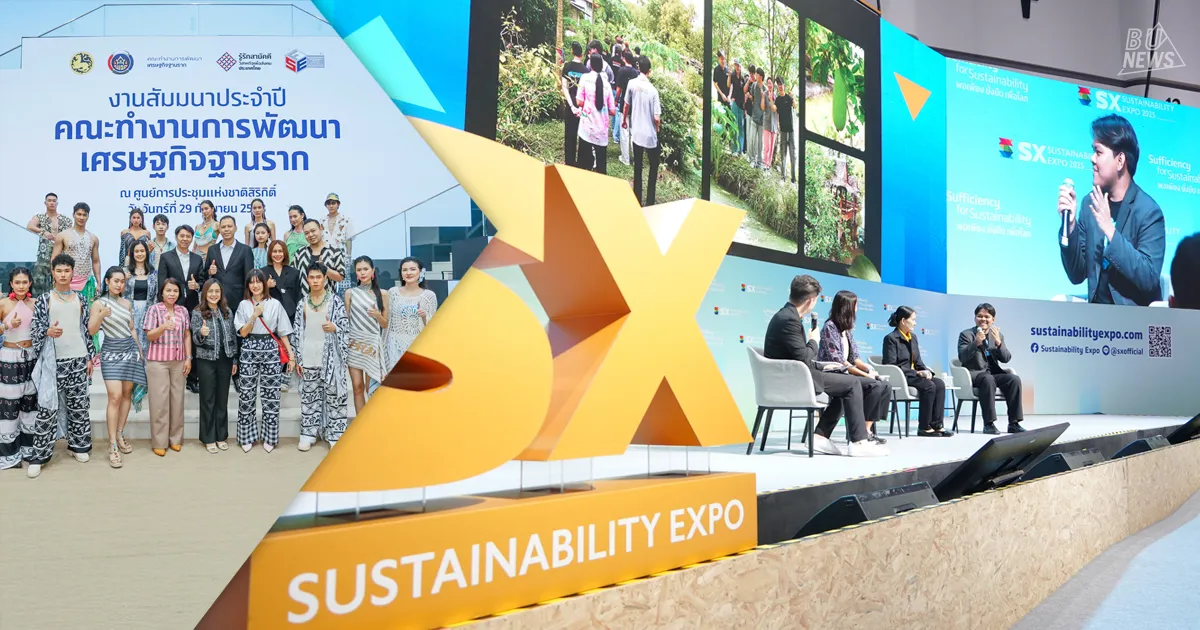
Bangkok University has undertaken a comprehensive self-assessment based on alignment with its mission, vision, and strategic orientation toward becoming a “Practical University”. This evaluation also considered the capacities and expertise of academic faculties, the readiness of personnel, the availability of resources, and the outcomes of ongoing initiatives. From this process, the university identified seven United Nations Sustainable Development Goals in which it possesses the potential to generate meaningful positive impact: SDG 4, SDG 7, SDG 8, SDG 9, SDG 11, SDG 12, and SDG 17. The advancement of these selected goals has been formally embedded within Strategic Measure 5.1, which supports Strategic Objective 5-achieving recognition at the regional level. A five-year operational plan (2024–2028) has been established to guide implementation. Within this framework, academic service is not regarded as a separate or peripheral activity; rather, it functions as a direct mechanism integrated into the university’s strategic plan, thereby reinforcing institutional sustainability and regional impact. Read More

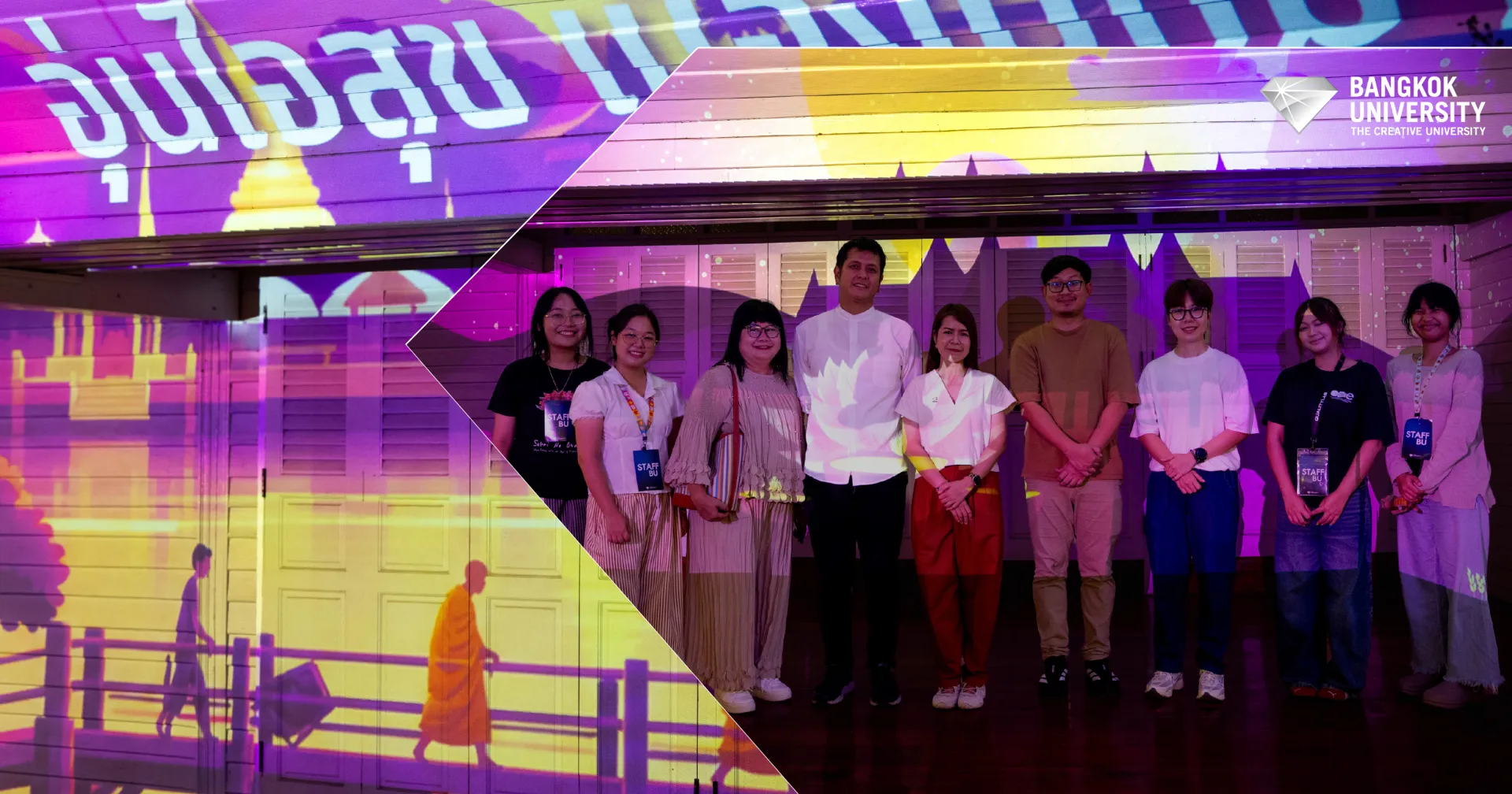
Telling Pathum Thani's Story Through Contemporary Media, Through the Eyes of Communication Arts Students
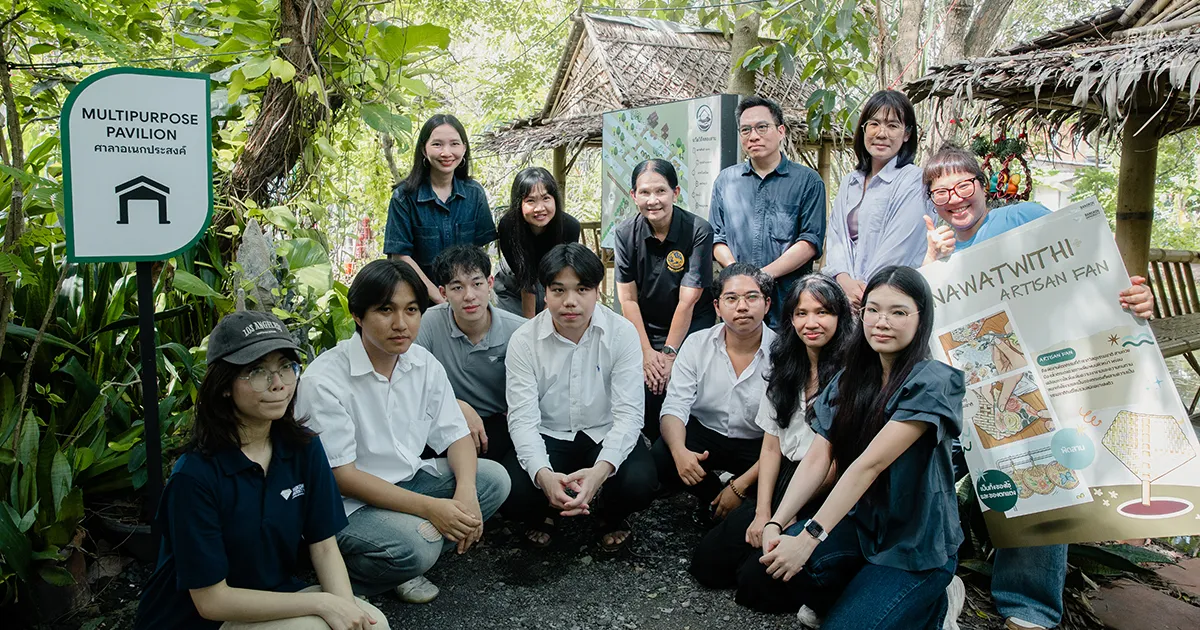
From the Classroom to the Real Site — "School of Architecture" Joins Forces with the Klong Sam Community to Develop the Landscape and Communication System

Bangkok University Partners with Khlong Sam Nawat Withi Community — Delivering the “Smart Dried Banana Drying System” Innovation to Sustainably Uplift the Community Economy
Khlong Sam Community-Based Tourism Development Project, Pathum Thani Province (on Amarin TV)
1) Khlong Sam Community-Based Tourism Development Project, Pathum Thani Province (on Amarin TV)
2) Khlong Sam Community-Based Tourism Development Project, Pathum Thani Province (on Amarin TV)
Thank you source of information: Thaibev Record www.youtube.com/@banteukthaibev