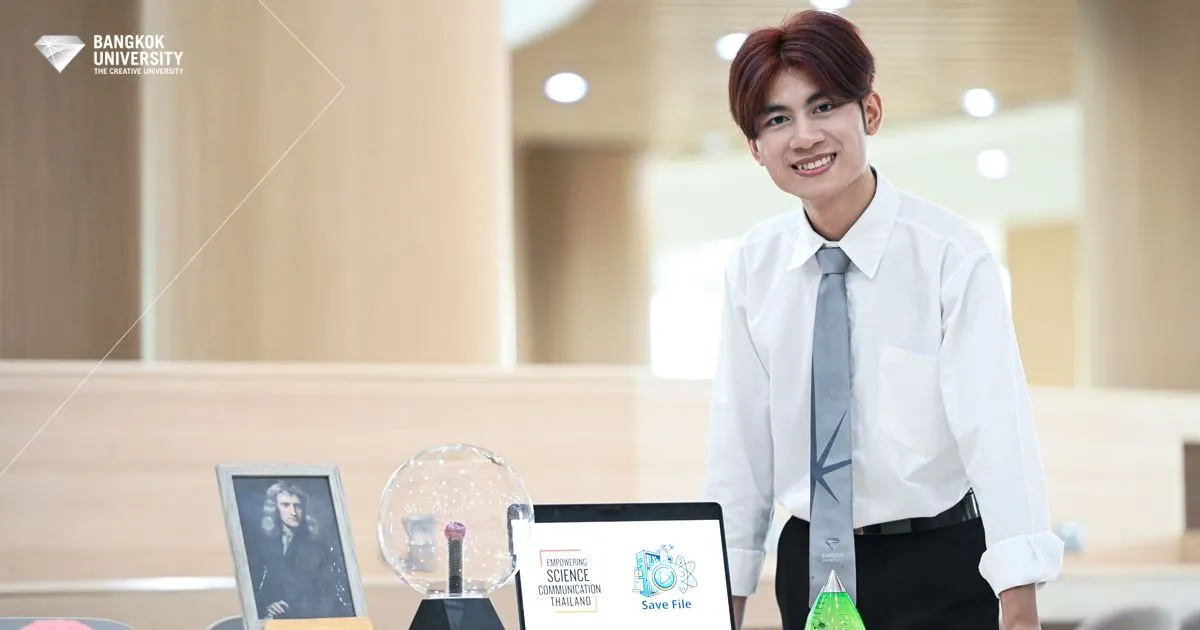
Turning a Passion for Science into Content, Winning the SciShort Grant 2026 to Create the Show "Save File"
Selected as 1 of 5 teams nationwide chosen
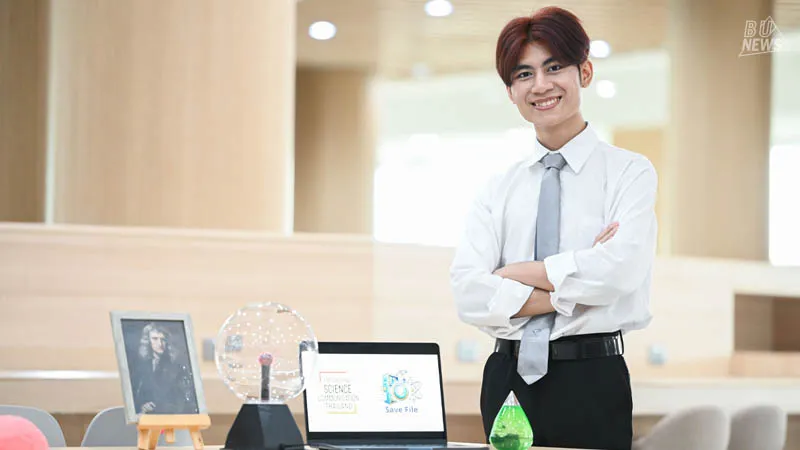
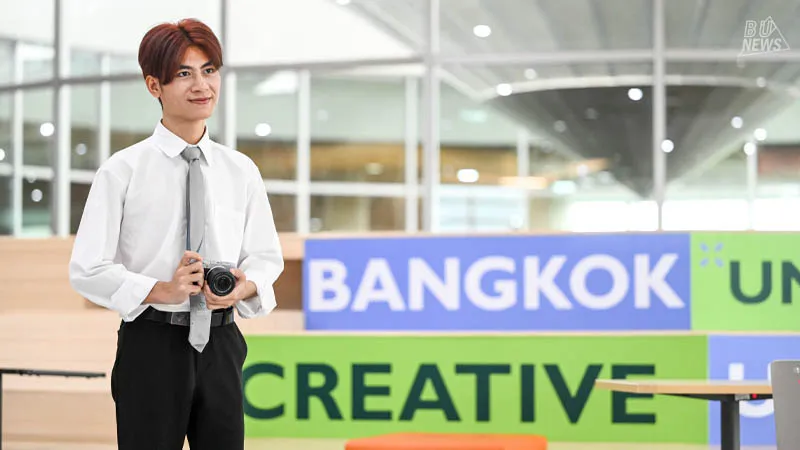
Congratulations to Mr. Phumirapi Siripattanasarakit (Fiat), a BU Creative scholarship student from School of Communication Arts and creator of “Save File,” for receiving a 15,000 baht grant after taking part in a competition for short online video program funding, organized by the National Science Museum. The competition gave media producers from across the country the opportunity to pitch short video program ideas for distribution through the museum’s channels. His proposal was selected as one of 5 teams nationwide chosen under the SciShort Grant program for short video productions on science, technology, and innovation.
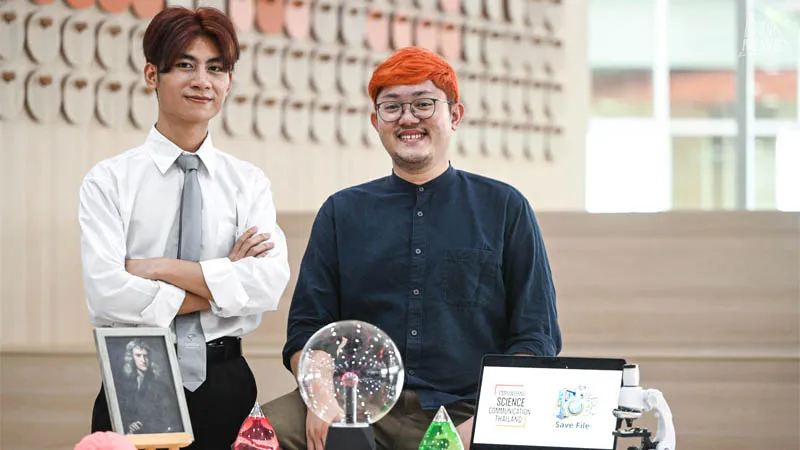
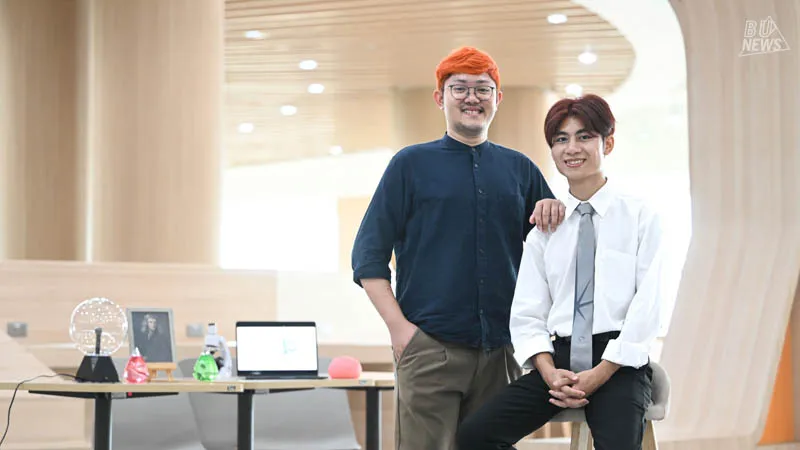
Read the story of Fiat and his senior collaborator, Tao Thanakrit Sriwilas, from a different university, who worked together to create the show “Save File.”
Turning Research into an Accessible Story
“The starting point for ‘Save File’ came from my own personal interest in making media, combined with the belief that research is valuable content — but often difficult for the general public to access, since it requires reading a large amount of information and understanding academic language. I wanted to take real research and present it in a media format that’s easier to watch and understand, in order to develop the proposal into a show with both clear content and a clear communication style. I collaborated with a graduate researcher in space science from the Faculty of Science, Kasetsart University, and we divided our responsibilities clearly — I was responsible for storytelling approach, video production, documentation, coordination, and creative direction.”
“Save File”: 4 Episodes Telling Science Stories from Real Research
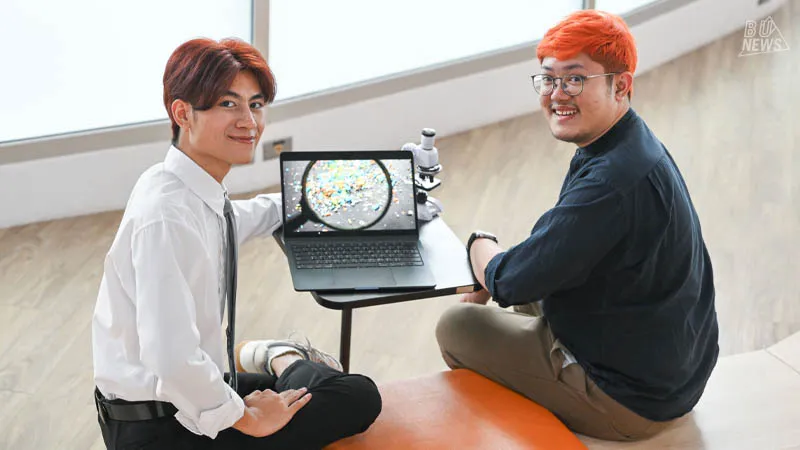
“The ‘Save File’ show consists of 4 short episodes, each about 2–3 minutes long, with all content connected through the concept of building scientific awareness. Episode 1 covers microplastics — exploring what microplastics are and how they can enter the human body. Episode 2 covers dust and PM2.5, from understanding particle size to the potential health effects. Episode 3 tells the story of the evolution of solar cell technology and energy, through an economic lens and the transition of technology. And Episode 4 covers renewable energy, drawing on data and facts from research to help viewers understand the topic — not simply following media trends, but focusing on presenting research-based facts in an easy-to-understand way.”

Communication Arts Meets Science: When “What to Say” Meets “How to Say”
“For me, being a Communication Arts student doesn’t mean I can only communicate about topics within the field of communication arts, because the heart of this discipline is ‘communication’ itself — and it can be connected to all kinds of content. Media work can be divided into two parts: ‘What to Say,’ meaning what content to communicate, and ‘How to Say,’ meaning how to communicate it. I’m personally interested in and skilled at ‘How to Say’ — thinking about how to present content in a way that reaches the audience. Meanwhile, working on this science project helped me learn and develop a deeper understanding of the ‘What to Say’ side. Even though the main target audience of ‘Save File’ is researchers and people already interested in science, I believe general viewers can enjoy it too — the show just isn’t designed to be flashy, but instead focuses on delivering content that’s genuinely useful and easy for viewers to understand.”
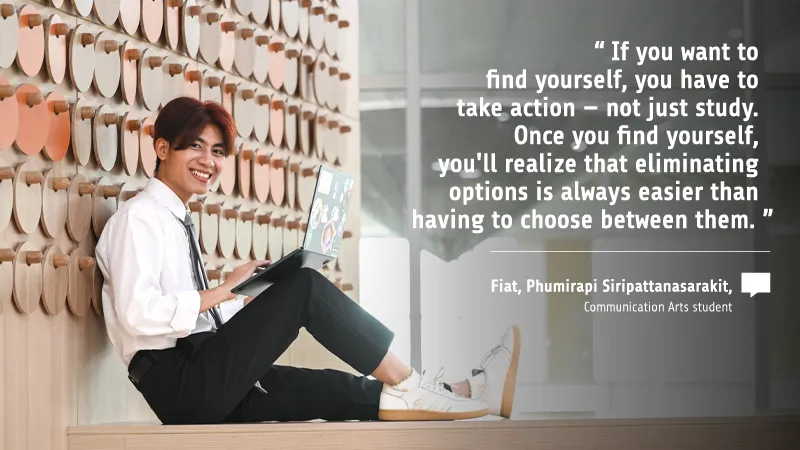

When it comes to discovering your own strengths, Fiat encourages younger students to try everything they’re curious about, even if it’s not something they think they’ll like — because taking action is what helps you truly discover what you do and don’t enjoy. He also has a message for those still finding themselves: you don’t need to know from the start what you’ll like. Instead, give yourself the chance to experiment — because once you know what you like and dislike, decisions become easier, and the experience gained from taking action becomes a key part of discovering your own path.